What Does Your Patent Portfolio Actually Do for You?
It’s a question that comes up in boardrooms more often than most in-house counsel would like to admit.
The CFO is looking at the IP budget—hundreds of thousands, sometimes millions of dollars in outside counsel fees, USPTO fees, and maintenance costs—and asking a simple question: what are we getting for this?
It’s an uncomfortable moment. Because the honest answer for a lot of companies is that we’re not entirely sure.
That’s not a knock on the people managing the patent portfolio. It’s a structural problem with how most patent portfolios get built. Companies file patents because they’re supposed to, because their investors expect it, because their competitors are doing it. The applications get drafted, the patents get issued, and they go into a database somewhere. The bills keep coming. And somewhere along the way, the question of what the portfolio is actually doing for the business gets lost.
If you’ve ever sat in that boardroom conversation, this article is for you.
The Wrong Way to Measure a Patent Portfolio
Most companies measure their patent portfolio by the wrong things.
Number of patents. Countries filed in. Prosecution spend per year. These are activity metrics, not value metrics. They tell you how much you’ve done, not what it’s worth.
A portfolio of 300 patents that nobody would ever license, enforce, or cite in a dispute isn’t worth 300 patents. It’s worth the paper it’s printed on, minus the cost of maintaining it.
The right question isn’t “how many patents do we have?” It’s “what can we actually do with them.”
Four Questions That Actually Matter
Here’s a more useful framework. A patent portfolio is doing its job if it can answer yes to at least some of these questions:
- Does it deter competitors?
The best patent portfolios never go to court. That’s the point. Strong, well-constructed IP sends a signal to competitors: this space is covered, a challenge will be expensive, move on. If your portfolio is doing this job, you may never know it, because the challenges that don’t happen are invisible. But the question to ask is: would a sophisticated competitor look at your IP and think twice before launching a competing product?
- Does it support your valuation story?
In fundraising and M&A, IP portfolios get scrutinized. Acquirers and investors want to know that the technology advantage they’re paying for is actually protected. A portfolio that’s been built strategically, with clear coverage of your core technology, defensible claims, and a coherent filing strategy, tells a very different story than a collection of loosely related patents filed opportunistically over the years. Which story does yours tell?
- Could it generate revenue?
Licensing is an obvious monetization path, but it’s not the only one. Cross-licensing agreements, defensive patent pools, and outright portfolio sales are all ways companies extract value from IP they’re no longer actively using. The prerequisite is having patents that someone else would actually want, which means patents with broad claims covering technology that’s commercially relevant. Bonus points if you have open pending applications. How much of your portfolio clears that bar?
- Is it defensible?
This is the question most companies skip... until they’re in a dispute and it’s too late to do anything about it. Not all patents are created equal. Some have been drafted with an eye toward how claims get attacked in IPRs, litigation, and post-grant proceedings. Most haven’t. Do you know the difference?
You’re Only Looking at Half the Picture
Most companies evaluate their patent portfolio in isolation. What do we own? What does it cover? What’s it worth?
That’s the right set of questions, but it’s only half the equation.
The other half is your competitive landscape. What are your competitors filing? Where are they building their portfolios? What technology areas are they moving into? And, most critically, are you positioned to protect your advantage as the industry evolves, which seems to happen more quickly every day?
Patent filings are public. Competitors’ prosecution activity, filing strategies, and portfolio buildouts are visible to anyone who knows where to look. Most companies never look.
This matters for two reasons. First, a portfolio that looks strong in isolation can look very different when mapped against what your competitors have built around it. Second, the places your competitors aren’t yet filing are often the most valuable places to file now, before they get there.
A complete picture of your portfolio’s strategic value requires both lenses: what you have, and how it fits within the competitive landscape you’re actually operating in.
What a Strategic Portfolio Audit Looks Like
If you’re not sure how your portfolio scores against these questions, a strategic audit is the right starting point. Not a legal audit, which tends to focus on procedural compliance, maintenance fees, and prosecution status. A strategic audit asks different questions:
- Which patents cover your core technology, and how strong are those claims?
- Which patents are commercially relevant, meaning that someone is actually practicing what they cover?
- Which patents have licensing or enforcement potential?
- Which patents are dead weight, costing money without providing meaningful protection or value?
- Where are the gaps, technology areas you’re competing in that aren’t covered?
- What are your competitors filing, and how does your portfolio stack up against theirs? Are there spaces they’re moving into that you haven’t addressed?
The output isn’t just a report. It’s a forward strategy: what to maintain, what to let lapse, where to file new applications, and how to prioritize spending going forward.
For most companies, this exercise surfaces some uncomfortable truths. Patents they thought were valuable turn out to be narrow or vulnerable. Technology areas they assumed were covered turn out to have gaps. Maintenance fees are being paid on patents that haven’t been relevant to the business in years.
But the good news is that it also surfaces opportunities. Patents that look dormant often have licensing or monetization potential that nobody has thought to pursue. A portfolio that looks like a cost center often has value buried in it. It just hasn’t been organized around extracting that value.
The Structural Problem Worth Naming
Here’s the honest truth about why so many portfolios end up in this situation. Most patent firms are built to file, not to think. Patent prosecution is volume work. The business model rewards throughput: getting applications drafted, filed, and prosecuted toward issuance. Strategy takes time, doesn’t scale the same way, and is harder to bill for. So most firms default to execution, and the strategic questions never get asked.
The result is a portfolio that grows every year, costs more every year, and answers the boardroom question less convincingly every year.
The fix isn’t a bigger portfolio. It’s a more intentional one, built around a clear strategy for what the IP is supposed to do, reviewed regularly against that strategy, and managed by outside counsel who are accountable for the business outcome, not just the filing count.
Where to Start
If you’re facing that boardroom conversation—or you want to get ahead of it before it happens—the first step is a straight answer to a simple question: what does your patent portfolio actually do for your business?
If you can answer that clearly and confidently, you’re in good shape. If you can’t, that’s worth addressing now, before the next budget cycle, the next board meeting, or the next acquisition conversation where someone asks the question and expects a real answer.
At NK Patent Law, we help companies answer that question and build a strategy around the answer. Contact us today to start the discussion.

NK Patent Law Receives Recognition in Chambers USA Regional Spotlight Guide 2026
NK Patent Law is pleased to announce the firm’s recognition in the prestigious Chambers USA Regional Spotlight Guide 2026. This is the second consecutive year the firm has been recognized as a leading small- to medium-sized IP law firm, offering a credible alternative to Big Law.
Our inclusion in this esteemed guide is a testament to our team’s exceptional expertise, experience, and talent, as well as our unwavering commitment to our clients. The selection process, based on an independent and in-depth market analysis, underscores the high caliber of our legal services.
About Chambers USA
The Chambers USA Regional Spotlight Guide highlights the best small and medium-sized firms in specific regions. Unlike the broader Chambers USA guide, which focuses on top-tier firms and individual attorneys, the Regional Spotlight highlights middle- and lower-mid-market firms, recognizing their expertise and significant contributions to the legal field.
About NK Patent Law
NK Patent Law is committed to delivering exceptional intellectual property legal services. Our team of skilled attorneys and professionals is dedicated to helping clients protect their innovations and navigate the complexities of intellectual property law. We provide intellectual property services to innovative middle-market and large companies with significant R&D programs to protect their product pipelines and enhance their bottom line.
For more information about NK Patent Law and our services, please contact us at Contact Us - NK Patent Law.
Attorneys Meier, Agrawal & Nifong Recognized in the 2026 BNC Legal Elite
NK Patent Law is proud to announce that attorneys Doug Meier, Ani Agrawal, and Justin Nifong have been named to Business North Carolina’s Legal Elite 2026 edition, a distinction reserved for North Carolina’s most highly regarded business and intellectual property attorneys.
Recognition by Legal Elite reflects peer votes from practicing attorneys across the state — a testament to the honorees’ expertise, judgment, and consistent delivery of high-value legal solutions for their clients.
“Being named to the Legal Elite underscores our commitment to helping clients protect, grow, and leverage their intellectual property,” said Doug Meier, managing partner of NK Patent Law. “It’s about delivering practical, business-focused guidance that turns innovation into tangible value for our clients.”
NK Patent Law’s inclusion of three attorneys on the 2026 Legal Elite list highlights the firm’s ability to combine deep technical expertise with practical, business-driven legal counsel. This recognition assures clients that they are working with attorneys trusted by their peers for both legal skill and business insight.
About NK Patent Law
NK Patent Law is a boutique intellectual property firm serving companies of all sizes, from startups to multinational corporations. The firm provides comprehensive patent and trademark services, IP counseling, and strategic portfolio management to help clients protect innovation, mitigate risk, and maximize the value of their intellectual property.
Is The IPR Dead?
By Doug Meier
Is The IPR Dead?
If you’ve been paying attention recently, you’ve likely heard: “IPRs are dead.” It is a sentiment currently echoing through both the patent blogosphere and the halls of law firms.
Looking at the raw data from late 2025, IPR institution rates (i.e., the percentage of IPR petitions the Patent Trial and Appeal Board (PTAB) agrees to hear) have indeed softened. The cost to reach a final written decision (FWD) has remained high, while predictability seems to have plummeted.
In this post, we explore where this “IPRs are dead” narrative has come from, whether there’s any truth to it, and strategic considerations for moving forward.
Short Answer: IPRs are still alive and well, but the strategy around them is evolving.
It’s helpful to begin with a look at the history of IPRs and the PTO. IPRs were introduced in 2012 as part of the America Invents Act, which was a significant overhaul of the U.S. patent system. David Kappos, who served as the PTO Director from 2009 to 2013, oversaw this legal shift. At that time, the IPR system was designed to be a precise, expert alternative to patent litigation. It promised to streamline the process of challenging the validity of patents without having to bear the heavy costs of patent litigation. But under Michelle Lee, who was the Director of the PTO from 2014 to 2017, many patent owners and commentators believed the IPR system was weaponized into what former Chief Judge Rader famously called a “patent death squad,” because it seemed to heavily favor petitioners (in other words, challengers of the patents) and big tech. Director Lee had previously been the Deputy General Counsel at Google, and many people believed she carried Silicon Valley’s general dislike of patents to the PTO. The pendulum tried to swing back under Andrei Iancu, who served as the PTO Director from 2018 to 2021. Director Iancu introduced the Fintiv factors in 2020 as a way for the PTAB to exercise its discretion to deny institution of an IPR because a parallel district court case is already moving quickly toward a trial. Kathi Vidal, who was the Director of the PTO from 2022 to 2024, seemed to try to take a more middle-of-the-road approach on the use of IPRs to invalidate existing patents.
John Squires, the most recent (and current) Director of the PTO, was confirmed in September 2025. Director Squires previously worked on Wall Street. As a result, he sees the world not so much through the eyes of a bureaucrat but rather through the eyes of an asset manager, appearing to view patents as financial assets that require certainty to have value. In October 2025, Director Squires issued an open letter titled Bringing the USPTO Back to the Future, where he stated, referring to IPRs, that “experience has raised structural, perceptual, and procedural concerns inconsistent with the AIA’s design, clear language, and intent affecting, among other things, the public’s rightful expectation of impartiality.”
To understand the current “Squires Era,” we have to acknowledge that for the last decade, both patent owners and defendants have felt like they were the ones losing. The system didn’t seem to be working for anyone.
The Patent Owner’s Perspective: “The Recall Department”
For years, patent owners have felt they were sold a bill of goods. They played by the rules: they spent years in prosecution, paid their fees, negotiated with examiners, and received a patent from the US Government. Then, when they tried to enforce that right, they faced the PTAB “Death Squad,” where many, many patents were invalidated. Even if they survived one IPR, a well-funded defendant could simply file another IPR. And another. It felt like double jeopardy. Why should the same agency that granted the patent (the PTO) be allowed to take it away so easily, over and over again? To patent owners, the IPR seemed like a weapon of mass destruction designed to devalue their R&D.
The Defendant’s Perspective: “The Ransom”
On the other side, defendants felt equally trapped. They were often sued on broad, vague patents that they believed never should have issued. While the IPR was supposed to be a “cheaper” alternative to litigation for defendants, big law firm pricing turned it into a luxury product. To ensure success, defendants found themselves filing multiple petitions (“shot-gunning”) to find the one argument that stuck. Spending $450k+ just to ask the PTAB to look at a bad patent felt less like justice and more like a ransom.
IPR Estoppel and Ingenico
For years, the rule for IPR estoppel was relatively simple: An IPR petitioner cannot later re-challenge a patent’s validity based upon grounds that could have been raised in the IPR. In other words, if you (the defendant) lost at the PTAB, you couldn’t use those same patents or publications to argue invalidity in District Court. But you could still use so-called “system art” in District Court. You could argue invalidity at the PTAB using a reference describing a product, and then argue invalidity in District Court using the actual product.
In May 2025, the Federal Circuit’s decision in Ingenico seemed to open this door further by finding that estoppel applies only to specific statutory grounds available in IPR and not to the underlying prior-art references. This made filing an IPR a relatively low-risk gamble. If you lost at the PTAB, you could simply repackage your arguments and try again in District Court.
The “Squires Stipulation” (October 2025)
In October 2025, Director Squires issued Proposed Rules that sought to provide for “born-strong patents” with quiet title because of his concern that “even extremely strong patents become unreliable when subject to serial or parallel challenges.” Under the proposed new rules, to get their IPR instituted, IPR petitioners would be required to file a stipulation to not pursue any invalidity challenges under section 102 or 103 in other forums. This would essentially force companies to choose whether they want to fight validity in the PTAB or in court. It can no longer do both.
Additionally, the proposed rules state that the PTAB will not institute an IPR when the PTO or another forum has already adjudicated the validity of the claims or when another proceeding is likely to determine the validity of the claims first.
Putting this all together, the goal of the proposed rules is to give a defendant one shot at invalidating the patent claims.
Why "Dead" is the Wrong Word for IPRs
When lawyers or commenters say “the IPR is dead,” what they generally mean is that it may no longer make sense to file an IPR. Defendants and big law firms thrived on a model where they would file an IPR and fight in the district court simultaneously, using the IPR as a backup chute. Now it appears that the PTAB is moving away from allowing that backup chute, viewing it as a waste of government resources.
But if you have a single, “slam-dunk” piece of prior art, the IPR is still very much alive. The door isn’t locked; it’s just that the price of admission is now a firm commitment to seeing it through in the PTAB.
The New Playbook for 2026
If you are a General Counsel sitting on a mid-sized budget, how do you navigate this landscape? You stop paying for volume and start paying for precision. IPRs should no longer be filed simply to “see what happens.” You should focus your resources on a pre-filing search. If you find art that is a 9/10, then file one perfect IPR petition. In that scenario, you may be willing to make the stipulation because you are confident you will win.
The Re-Examination Renaissance. While everyone mourns the IPR, an old tool is returning to glory: The Ex Parte Reexamination (EPR). EPRs are significantly cheaper than IPRs, and they generally do not come with estoppel. You can file an EPR and still fight in District Court. It is not subject to the proposed mandatory stipulations or discretionary denials. For many mid-sized companies, EPRs may now be the superior tool for pressuring a plaintiff to settle without betting the farm.
Conclusion: Strategy Over "The Factory"
The rumor that IPRs are dead comes largely from firms that treated them as a commodity factory product.
At our firm, we view IPRs as just one tool in a larger toolbox. The goal isn't to file an IPR; the goal is to resolve the dispute and get back to business.
It is true that the landscape in late 2025 is tougher for accused infringers. But it rewards those who do their homework. If you are tired of paying for the “shotgun approach” that no longer works, let’s talk about a sniper strategy that does.
NK Patent Law Welcomes John Stathis
NK Patent Law is pleased to welcome John Stathis, a patent attorney with a strong background in patent work and a commitment to helping innovators protect their ideas.
His experience extends to working with technology patents across various industries, including software, mechanical systems, and medical devices. He has strategically developed both expansive patent portfolios with multiple patent families and focused patent filings on specific devices.
Managing Partner Doug Meier notes that “John’s experience and dedication will help us continue delivering thoughtful intellectual property counsel tailored to each client’s needs. We’re looking forward to the contributions he’ll make and the new collaborations ahead.”
About NK Patent Law:
NK Patent Law is an intellectual property boutique serving clients throughout the United States and abroad, with a focus on patent preparation and prosecution, trademark preparation and prosecution, and general IP counseling. The firm provides intellectual property services to innovative middle-market and large companies with significant R&D programs to protect their product pipelines and enhance their bottom-line business value.
NK Patent Law Named a Regional Tier 1 Firm
RALEIGH, N.C. November 6, 2025 — NK Patent Law has been named a Regional Tier 1 firm in Patent Law in the 2026 Best Law Firms® rankings, reflecting the firm’s commitment to providing exceptional intellectual property legal services and strategic counsel to innovators and businesses throughout North Carolina.
The Best Law Firms® distinction is awarded to firms that demonstrate professional excellence and consistently strong ratings from clients and peers. To be eligible, at least one attorney from each recognized firm must also be included in The Best Lawyers in America®.
“This recognition underscores the dedication of our attorneys and staff to delivering sophisticated, practical IP solutions for our clients,” said Doug Meier, Managing Partner of NK Patent Law. “We’re honored to be recognized among the top patent law firms in the region.”
The Best Law Firms® rankings evaluate firms across more than 75 national and 120 metropolitan practice areas. A tier designation represents a high level of respect among clients and peers for a firm’s expertise, professionalism, and integrity.
NK Patent Law received the following ranking in the 2026 edition:
- Regional Tier 1 – Raleigh, Patent Law
About NK Patent Law
NK Patent Law is a boutique intellectual property law firm serving innovative middle-market and large companies with significant R&D programs to protect their product pipelines and add to their bottom-line business value. The firm’s attorneys help clients protect and commercialize their ideas through a full range of patent, trademark, and IP counseling services.
About Best Law Firms®
Best Law Firms®, ranked by Best Lawyers®, is a respected peer-reviewed evaluation of legal excellence. Rankings are based on client and peer feedback and extensive independent analysis. For more information, visit www.bestlawfirms.com.
NK Patent Law Welcomes Patent Attorney Brant Cook
Raleigh, NC, October 30, 2025 — NK Patent Law is pleased to welcome Brant Cook as its newest member of the firm. Brant is a skilled patent attorney with extensive experience in managing and building patent portfolios for a Fortune 50 company. Drawing on his experience with the U.S. Patent and Trademark Office, Brant offers comprehensive patent counsel that combines patent strategies with real-world applications.
Before joining the firm, Brant spent a couple of years as a patent attorney at Thompson Hine (formerly Thompson Hine & Flory) and then spent over 25 years at The Procter & Gamble Company as inside counsel, supporting multiple business units in protecting product and commercial innovations.
Managing Partner Doug Meier notes that “as we continue to build our team of the most capable and experienced IP attorneys to provide our clients personalized service combined with big law firm experience, Brant complements the firm’s depth of experience in serving businesses with significant R&D programs."
About NK Patent Law:
NK Patent Law is an intellectual property boutique serving clients throughout the United States and abroad, with a focus on patent preparation and prosecution, trademark preparation and prosecution, and general IP counseling. The firm provides intellectual property services to innovative middle-market and large companies with significant R&D programs to protect their product pipelines and enhance their bottom-line business value.
Doug Meier and Allyn Elliott Named to 2026 Best Lawyers in America®
NK Patent Law is proud to announce that attorneys Doug Meier, Managing Partner, and Allyn Elliott have been recognized in the 2026 edition of The Best Lawyers in America® for their exceptional work in Intellectual Property law. This honor places them among the most respected and accomplished attorneys in the nation.
Since 1983, Best Lawyers has been regarded as the definitive guide to legal excellence, with recognition based entirely on peer review. Lawyers are nominated by their peers, evaluated by currently recognized attorneys in the same practice area and geographic region, and vetted through a rigorous verification process before being selected.
This is the second consecutive year Doug has been honored. With over two decades of experience, he is recognized for devising innovative legal strategies to protect and commercialize cutting-edge technologies for clients spanning startups to global enterprises.
This year marks Allyn’s first appearance on the list, a testament to her skill in guiding clients through the complex landscape of patents and intellectual property rights. Her collaborative approach and commitment to client success have earned her respect from colleagues and clients alike.
“Being recognized by our peers is especially meaningful because it reflects the trust and respect we’ve earned within the profession,” said Meier. “Our team is committed to helping clients protect the innovations that move industries forward.”
For more about NK Patent Law and its award-winning attorneys, visit www.nkpatentlaw.com.
What Does “Patent Pending” Actually Mean, and When Can We Use It?
You may have seen “patent pending” in product descriptions and marketing materials. But, what does this phrase really mean?
It signals that a patent application has been filed with the USPTO but has not yet been granted. It does not mean a patent has been issued or is guaranteed, but instead, that the inventor has started the legal process. At this stage, the applicant has no enforceable patent rights and cannot sue for infringement.
You can use “patent pending” after filing a provisional or non-provisional patent application. This status may last months or years, depending on the patent process and type of application. Importantly, you should never use the term before officially filing, as it can be misleading and may lead to legal issues. Once filed, you can mark products, packaging, advertisements, or related materials with “patent pending.”
The phrase is suitable for use on physical products, instruction manuals, promotional materials, and digital content referencing the invention in your application. However, it’s inappropriate to use “patent pending” if no application is filed or after the application is abandoned unless another active one covers the same invention.
However, there are many more aspects to the "Patent Pending" process. Listed below are answers to some of the most common questions we receive at NK Patent Law:
What Are the Strategic Benefits of Displaying "Patent Pending"?
While “patent pending” does not grant legal protection, it does provide some strategic benefits:
Market Advantage: It signals to competitors and the market that you are protecting your invention, possibly deterring imitation.
Deterrent Effect: Competitors may avoid copying your idea due to uncertainty around future patent rights.
Funding and Investment: Startups can leverage “patent pending” status to attract investors and partners.
Later Enforcement: Proper use may help maximize damages if a patent is later granted and infringed upon.
What Does "Patent Pending" Actually Mean?
- "Patent pending" signifies that a patent application has been filed with the USPTO but has not yet been granted.
- It indicates that the inventor has initiated the legal process to protect their invention.
- This status does not mean a patent has been issued or is guaranteed.
- During this stage, the applicant has no enforceable patent rights and cannot sue for infringement.
When Can You Use "Patent Pending”?
- You can use "patent pending" after officially filing either a provisional or non-provisional patent application.
- This status can last for months or even years, depending on the patent process and the type of application filed.
- Important: Never use the term "patent pending" before officially filing a patent application. Doing so can be misleading and may lead to legal issues.
Where Can You Display "Patent Pending"?
- Once your application is filed, you can mark various materials with "patent pending".
- This includes physical products, product packaging, advertisements, and other related marketing materials.
- The phrase is suitable for instruction manuals, promotional materials, and digital content that references your invention.
Avoid using "patent pending" if no application has been filed or if an active application covering the same invention is not currently in place.
Why is "Patent Pending" Status Important?
While "patent pending" does not grant immediate legal protection, it offers several strategic advantages:
- Market Advantage: It signals to competitors that you are actively protecting your invention, which can deter imitation.
- Deterrent Effect: Competitors may be less likely to copy your idea due to the uncertainty surrounding your future patent rights.
- Attracts Funding & Investment: Startups can leverage "patent pending" status to attract potential investors and partners.
- Potential for Later Enforcement: Proper use of "patent pending" may help maximize damages if a patent is eventually granted and then infringed upon.
Ready to start the patent process and establish 'patent pending' status for your invention? Contact NK Patent Law today for a consultation.
How to Ensure Your Patent Filings Are Litigation-Ready
Practical Thoughts for Patent Counsel and In-House Legal Teams
Patent filings are like seeds you plant today, hoping for a fruitful harvest years down the road. But sometimes, that harvest comes in the form of litigation—a high-stakes arena where every word is dissected and challenged. Having spent years prosecuting patent applications and years litigating issued patents, one thing is clear: the best time to prepare for litigation is long before it happens. In fact, it starts when you develop new technology and sit down to draft a patent application for that new technology.
Think Beyond the Application
Patents aren’t just technical documents—they’re legal shields that, if enforced, will have to withstand some pretty aggressive attacks. When filing patents, it can be tempting to focus solely on getting the application approved by the Examiner. But if your company is successful enough to envision litigation in the future, every application should be drafted with its ultimate enforcement in mind.
Here’s the golden rule: assume your patent will be litigated. This may sound pessimistic, but it’s the reality for companies operating in competitive industries. Even if the patent never actually makes it to litigation, you may still want to use that patent in high-stakes licensing negotiations, where it will often be scrutinized (almost) as heavily. The robustness of your patent strategy and your filings will dictate your leverage.
Start with the Claims: Precision Meets Breadth
Patent claims are your frontline defense. They’re the first thing a litigator will attack, so make them airtight. Here’s how:
- Be specific, but flexible: Claims that are too narrow may protect little more than a specific embodiment, leaving you vulnerable to easy design-arounds. They can also erode your damages base, further reducing the value. Claims that are too broad are begging for a validity challenge. Here’s the balance: aim for claims that are broad enough to cover reasonable variations but specific enough to avoid prior art pitfalls.
- Draft claims with clear terms: Ambiguity is the enemy. Litigators love to exploit vague language to argue a claim is indefinite or doesn’t align with the specification. If you’re debating whether a term needs clarification, err on the side of clarity.
- Identify the infringer: Issues arise when infringement actions are split among parties, weakening your ability to successfully enforce. Write claims that specifically target the entity responsible for infringement, whether it's the manufacturer, user, or service provider. Anticipate divided infringement scenarios to ensure claims close gaps and prevent avoidance tactics.
- Make claims provable: Great claims that are beautifully written can still be difficult to prove, particularly when the operation of your competitor’s products is hidden in a black box. The most important claim limitations should include things that are observable from the outside. Proof will be easier, and the jurors will appreciate being able to view the claims from their perspective.
- Include fallback positions: Dependent claims can be your safety net if broader claims are invalidated. Think of them as your legal insurance policy. Oftentimes, it feels like dependent claims are an afterthought and don’t really add any patentable value. The dependent claims should be strategically written not only to protect the validity of the claims but also to help with infringement using claim differentiation.
The Specification: Your Litigator’s Toolbox
The specification is where you’ll find the ammo for defending your claims in court. It’s also where opposing counsel will look for weaknesses. The specification can make or break your case, so pay extra attention to these points:
- Provide support for every claim: This might seem obvious, but you’d be surprised how often litigators argue a claim isn’t adequately supported. Ensure your specification provides clear examples, descriptions, and embodiments that align with your claims.
- Anticipate challenges: Include discussions of alternatives, variations, and potential issues the invention might face. This shows foresight and reduces the chances of successful attacks based on alleged gaps in the disclosure.
- Use consistent terminology: Inconsistencies between your specification and claims are a gift to your adversaries. Make sure your terms are used consistently throughout the document.
Look Beyond the Patent Application
It’s easy to get tunnel vision on the application itself, but don’t overlook the importance of the process that leads up to the patent application. Litigation often digs into the history of your patent filings, so keep detailed records that show your thought process and diligence during the development of the invention. Some examples:
- Inventor notes: Have your inventors document the development process in real-time, including challenges they faced and solutions they devised. These notes can serve as evidence to support your specification. They can also help tell a compelling story at trial, which jurors love to latch onto.
- Develop and patent related technology: Identify opportunities to develop and patent additional technology that complements or supports the primary invention. These additions can transform a single patent into a patent portfolio, offering multiple layers of protection that can be used when enforcing the patent. A portfolio-based strategy not only enables multi-faceted enforcement but also can increase the overall value and strategic utility of the key innovation.
- Train your inventors: Inventors are often called as witnesses in litigation. Prepare them early by ensuring they understand the value of patents and the ways patents can be challenged.
Patents are strategic assets that can provide tangible commercial value to your company. By adopting a litigation mindset while developing your products and while drafting your applications, you’ll not only strengthen your patents but also save your company countless headaches (and dollars) down the road.
Remember, defensible patents aren’t born in the courtroom—they’re made long before that, primarily in the drafting process.
Final Thoughts
Ensuring your patent filings are litigation-ready requires foresight and diligence. From documenting the journey of your invention to drafting thoughtful claims, each step you take today prepares you for potential challenges tomorrow. The better prepared they are, the less you’ll fear them being tested. Connect with NK Patent Law to ensure your patents are drafted with litigation in mind—because strong patents start long before enforcement.
Now, go forth and draft patents that can take a punch. Your future self—and your company—will thank you.
What Are the Different Types of Intellectual Property—and Which Ones Do You Actually Need?
If you’re building something new—whether it’s a product, a brand, a software platform, or a better way of doing things—at some point, someone will ask: “Do you have your IP covered?”
That’s a big question; for many businesses, it’s not always clear where to start. The world of intellectual property (IP) can feel overwhelming if you’re not in it every day. There are patents, trademarks, copyrights, trade secrets—and even different kinds of patents.
At NK Patent Law, we work with innovative companies every day—from R&D-heavy manufacturers to fast-moving software teams—to figure out the right mix of IP protection for what they’re building. This post breaks down the main types of IP, how they work, and when you might need them.
Let’s dive in.
Utility Patent (this is generally what you think of when you think “patent”)
Protects: How something functions/operates/works, or what something is
Used for: Inventions, processes, machines, software, chemical formulas—you name it
When most people think about a “patent,” they think about a utility patent. A utility patent protects an actual invention—whether that’s a hardware product, a software algorithm, or a new manufacturing method.
If you’ve developed something technically novel, and you want to stop competitors from copying it, this is your go-to. Utility patents last 20 years (with some caveats and exceptions), and the process involves a detailed technical write-up and examination by the U.S. Patent Office.
Utility patents are particularly valuable because they grant the patent holder the exclusive right to make, use, or sell the patented invention during the patent term. This exclusivity not only provides a competitive advantage but also offers a significant return on investment for companies or individuals who have invested time and resources in innovation. However, your invention must meet specific criteria to qualify for a utility patent, including being novel and non-obvious to someone skilled in the relevant field. The trade-off (or quid pro quo) of a utility patent is that, in return for the exclusivity granted, you must disclose the details of your invention, which are published for all the world to see.
The process of obtaining a utility patent can be rigorous and time-consuming. A patent application includes detailed descriptions, drawings, and claims that explain how the invention works in detail. The application is filed with the Patent Office. Once submitted, it undergoes examination by a patent examiner who assesses its validity based on prior art and compliance with patent law.
One critical aspect of utility patents is the scope of the claims. The claims define the boundaries of the patent’s protection, and drafting them requires a balance between being broad enough to prevent workarounds and narrow enough to withstand challenges of invalidity. Working with an experienced patent attorney can make a significant difference in successfully navigating this process.
Additionally, patent holders must pay maintenance fees periodically to keep their patents in force. Failure to pay these fees can result in the patent expiring before the end of its standard term. Furthermore, enforcement of a utility patent is entirely up to the patent holder. If someone infringes on the patent, the holder must take legal action to assert their rights, which can involve litigation and require substantial resources.
In industries like technology, pharmaceuticals, and manufacturing, utility patents are often seen as critical assets. They can drive innovation, secure market position, and even attract investors by demonstrating a company’s commitment to protecting its intellectual property. For startups and established companies alike, a strong utility patent portfolio can serve as both a shield against competition and as leverage in negotiations, partnerships, and licensing deals.
Design Patent (you may not have heard of these)
Protects: How something looks
Used for: Product shape, ornamental design, user interface graphics
Design patents get way less attention than they deserve—but they can be powerful. These cover the visual appearance of a product, but not how that product functions. Think of the sleek shape of a smart speaker, the look of a touchscreen interface, or the identifiable design of a consumer product.
Design patents last 15 years, and they’re typically faster and cheaper to get than utility patents. If how your product looks is part of what makes it sell, this should be on your radar.
Design patents last 15 years, and they’re typically faster, cheaper, and (sometimes) easier to get than utility patents. If how your product looks is a key part of what makes it sell, this should be on your radar. The process for obtaining a design patent involves submitting drawings or photographs that clearly depict the ornamental features of the design, along with a written description. Similar to utility patents, design patents must meet specific criteria, including originality and non-obviousness, but the focus is entirely on aesthetics.
One of the advantages of design patents is that they can offer a competitive edge by preventing others from mimicking the unique appearance of your products. In industries such as consumer electronics, fashion, or automotive design, having a design patent portfolio can be invaluable for brand differentiation and market positioning. However, it’s important to note that the scope of protection is limited to the ornamental aspects and does not extend to functional elements, which might require a utility patent for coverage.
For businesses launching visually distinctive products or relying heavily on aesthetic appeal, design patents can be a critical asset in safeguarding their creative efforts and ensuring exclusivity in the marketplace.
Examples: Here are some classic examples of design patents. You will likely recognize these immediately. And that’s exactly the point of design patents.


Trademarks
Protects: Brand names, logos, slogans, and other identifiers
Used for: Protecting your brand identity and helping customers recognize you
Your trademark is your business’s handshake with the world. It’s how customers know it’s you—whether they’re seeing your logo, hearing your name, or even recognizing your packaging. Trademarks can last forever (as long as you keep using them and renewing them). They’re key for brand building, especially when you’re scaling into new markets or launching new product lines.
Trademarks are vital for establishing and safeguarding your brand identity, ensuring that your products and services stand out in a competitive marketplace. They can encompass a wide range of identifiers, including brand names, slogans, logos, and even unique packaging designs or sounds associated with your company. Unlike patents or copyrights, trademarks can last indefinitely, provided they are actively used in commerce and periodically renewed.
One of the most significant advantages of trademarks is their ability to build consumer trust and loyalty. By consistently associating certain visual or auditory elements with your business, trademarks create a sense of familiarity and reliability among your customers. This recognition can drive sales, enhance brand equity, and influence purchasing decisions.
Obtaining a trademark involves filing an application with the Trademark Office, where it undergoes examination to ensure it meets criteria such as distinctiveness and non-similarity to existing trademarks. Once registered, trademarks offer legal protection against unauthorized use or imitation, enabling you to take action against infringement.
A strong trademark portfolio can also serve as a strategic business asset. It can be leveraged in licensing deals, partnerships, and even mergers or acquisitions, showcasing the value and uniqueness of your brand. For companies expanding into international markets, registering trademarks in multiple jurisdictions can further solidify their global presence and protect their reputation across borders.
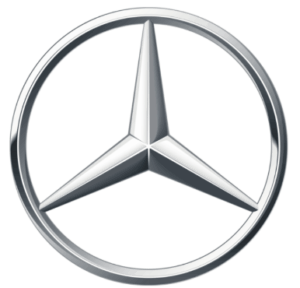
Examples: Here are some examples of some very famous trademarks. We see these everyday in our lives.


Copyrights
Protects: Original creative works
Used for: Software code, marketing content, websites, videos, documentation, training materials
Copyright protects creative expression, at the moment you write, code, or draw that expression. You don’t have to register a copyright to own it, but registration gives you a lot more power, especially if you ever need to enforce it.
Registered copyrights—meaning those that have been registered with the Copyright Office—provide an additional layer of protection compared to unregistered ones. While owning the rights to a work begins the moment it is created, registering it with the Copyright Office establishes a public record and grants legal benefits, such as the ability to file infringement lawsuits and potentially receive statutory damages and attorney fees. Non-registered copyrights, although still valid, may pose challenges in enforcement since proving ownership becomes more complex without formal registration.
Copyrights come up frequently with software companies (for source code), marketing teams (for content), and internal teams (for training decks and manuals). If you create original works, copyright matters more than you might think.
Trade Secrets
Protects: Confidential business information
Used for: Things like formulas, customer lists, internal tools, processes, and know-how
Trade secrets are the “don’t tell anyone” part of IP. Unlike patents or trademarks, you don’t file anything with the government—in fact, their value and their protection comes from the fact that you keep them confidential.
Think Coca-Cola’s recipe, a custom manufacturing process, or a clever algorithm no one else has seen. If keeping something secret gives you a business edge, it’s likely a trade secret.
To qualify as a trade secret, the information must derive economic value from not being generally known or easily ascertainable by others who could benefit from its disclosure. Businesses often take deliberate steps to safeguard these secrets, such as implementing non-disclosure agreements (NDAs), limiting access to sensitive information, and using robust cyber-security measures to prevent unauthorized access.
One of the most significant advantages of trade secrets is their potentially indefinite duration—unlike patents or copyrights, which have time limitations. However, they do come with risks. If a trade secret is independently discovered or disclosed without violating confidentiality, the protection is lost. For this reason, businesses must be vigilant in maintaining the secrecy of their proprietary information to preserve its value.
So… Which One Do You Need?
That depends on what you’re building. Most successful companies don’t rely on just one type of IP—they combine them. For example, a hardware startup might file utility patents on how their new hardware products work, design patents on how the product looks, trademarks on the product name and logo, and use copyrights for the user manual. A SaaS company might copyright its code, file a utility patent on a unique backend feature that makes the software run more efficiently, trademark its platform name, and protect deployment tools as trade secrets.
The goal isn’t just to “get protection.” It’s to build an tailored IP strategy that actually supports your business—whether that means keeping competitors at bay, improving valuation, building leverage for partnerships, or setting yourself up for an acquisition or exit.
Need Help Making Sense of It All?
NK Patent law is an IP boutique law firm that works with companies, throughout the United States and abroad, doing real R&D and solving real problems. We’re not one-size-fits-all. We work closely with in-house counsel, engineers, and business leaders to create IP strategies that move the needle.
If you’re trying to figure out what to file, how to prioritize, or whether your current IP portfolio is pulling its weight—we’d love to talk.
Let’s make sure you’re protecting what matters most. Contac us today by visiting www.nkpatentlaw.com.
NK Patent Law Attorneys Named to Legal 500 U.S. Elite for Intellectual Property
Raleigh-Durham, NC – NK Patent Law proudly announces that three of its attorneys—Doug Meier, Ani Agrawal, and Justin Nifong—have been recognized by Legal 500 U.S. Elite for their outstanding work in intellectual property transactions and litigation. This recognition highlights NK Patent Law’s leadership in delivering strategic, high-quality IP legal services to clients across the innovation economy.
The Legal 500 U.S. Elite honors top-tier lawyers at regional firms, spotlighting legal talent that may be overlooked by rankings focused on global giants. The selection is based on independent market research, peer and client feedback, and a rigorous evaluation of the attorneys' accomplishments.
“Being named to Legal 500 U.S. Elite affirms what our clients already know—our attorneys offer unmatched skill, creativity, and dedication in solving complex IP issues,” said Managing Partner Doug Meier.
A Distinctive Honor Among Regional Powerhouses
This latest recognition marks a new era for NK Patent Law as it continues to rise among the country’s top IP-focused firms. While Legal 500 has long been a trusted guide to global legal talent, the newly launched U.S. Elite edition shines a spotlight on key contributors at regional firms who are driving innovation and legal excellence.
About NK Patent Law
NK Patent Law is a boutique intellectual property law firm that provides IP services for innovative middle-market and large companies with significant R&D programs to protect their product pipeline and add to their bottom-line business value. With offices in Raleigh and Charlotte, the firm provides comprehensive patent, trademark, copyright, and IP litigation services tailored to support innovation and business growth.
About Legal 500
For 38 years, Legal 500 has been a trusted source for legal rankings and insights, surveying over 300,000 corporate counsel annually across 107 jurisdictions. With over 4 million annual users—including 2.5 million corporate counsel—Legal 500 remains the go-to guide for identifying legal talent worldwide.
To learn more about NK Patent Law and its services, visit www.nkpatentlaw.com.